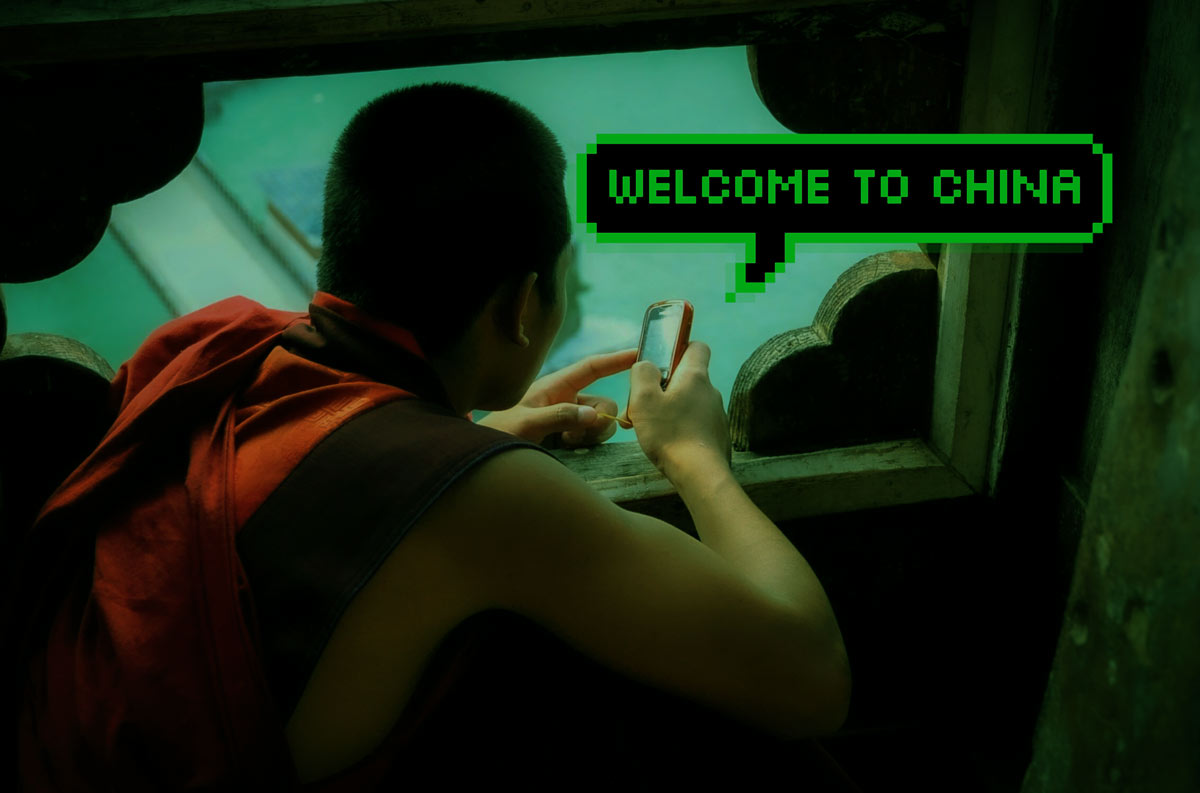
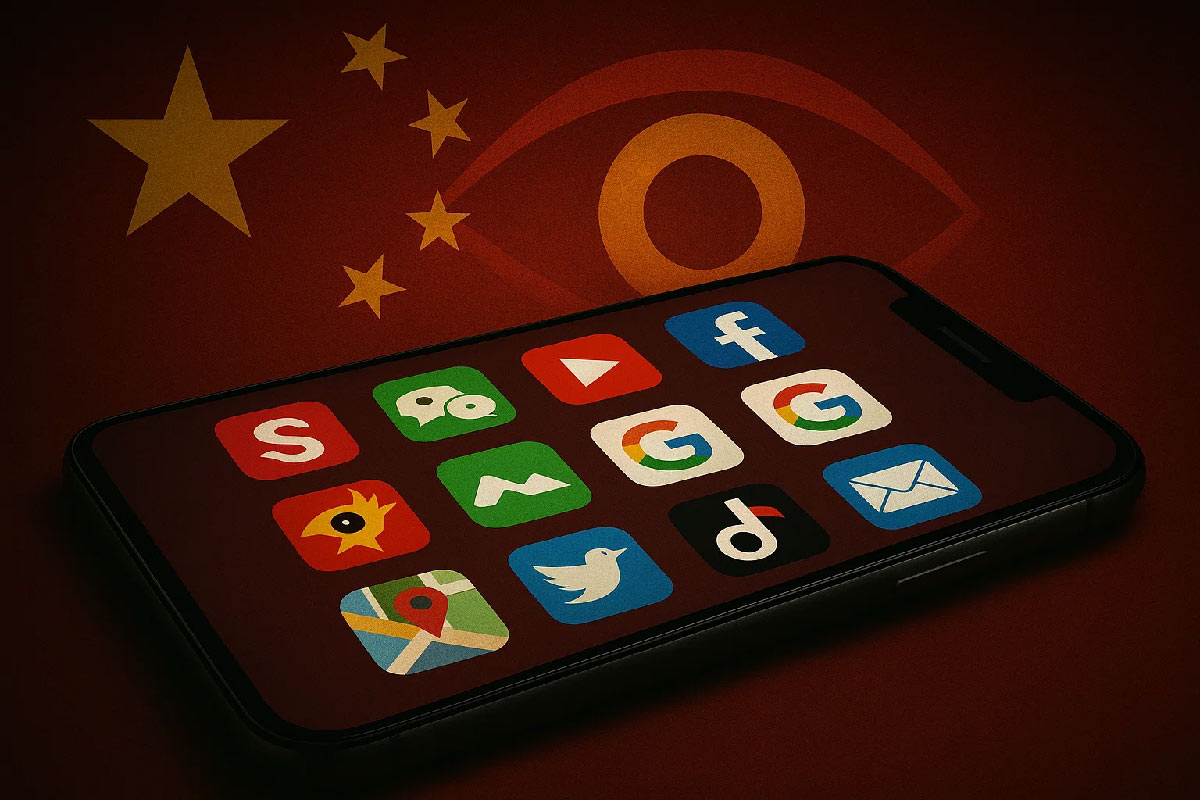
Information Warfare and Its Impact on Tibetan Leadership and Social Cohesion
There has been a significant rise recently in disinformation and coordinated smear campaigns targeting Tibetan leaders and institutions. These operations seek to undermine public trust, manipulate perceptions, and weaken social cohesion within the Tibetan community. Such campaigns pose a serious threat to the collective resilience of Tibetans, as adversarial actors increasingly employ disinformation as a tool of psychological and political influence.
As TibCERT, we have been monitoring and documenting the escalating online attacks¹ on Tibetan leaders², activists, and organizations who have faced fabricated narratives, manipulated images and videos, and, in some cases, doxing and intimidation. These incidents are not isolated but represent broader patterns of information warfare commonly directed at politically sensitive communities. Adversarial actors often intensify these campaigns during periods of heightened vulnerability, seeking to exploit moments of uncertainty or crisis.
What is Disinformation?
Disinformation refers to the deliberate creation and dissemination of false, distorted, or misleading content intended to deceive audiences, influence public opinion, and advance strategic objectives. Unlike misinformation, which is shared without malicious intent, disinformation is organized, purposeful, and frequently integrated into wider psychological operations and influence campaigns.
The Epstein Case as an Example of Disinformation
Since early February 2026, multiple online accounts have attempted to falsely link His Holiness the Dalai Lama to Jeffrey Epstein by referencing the Epstein-related documents disclosed by the US Department of Justice. In response, the Office of His Holiness the Dalai Lama issued an official statement³ on February 8, 2026, clearly affirming that His Holiness never met Jeffrey Epstein and had no association with him.
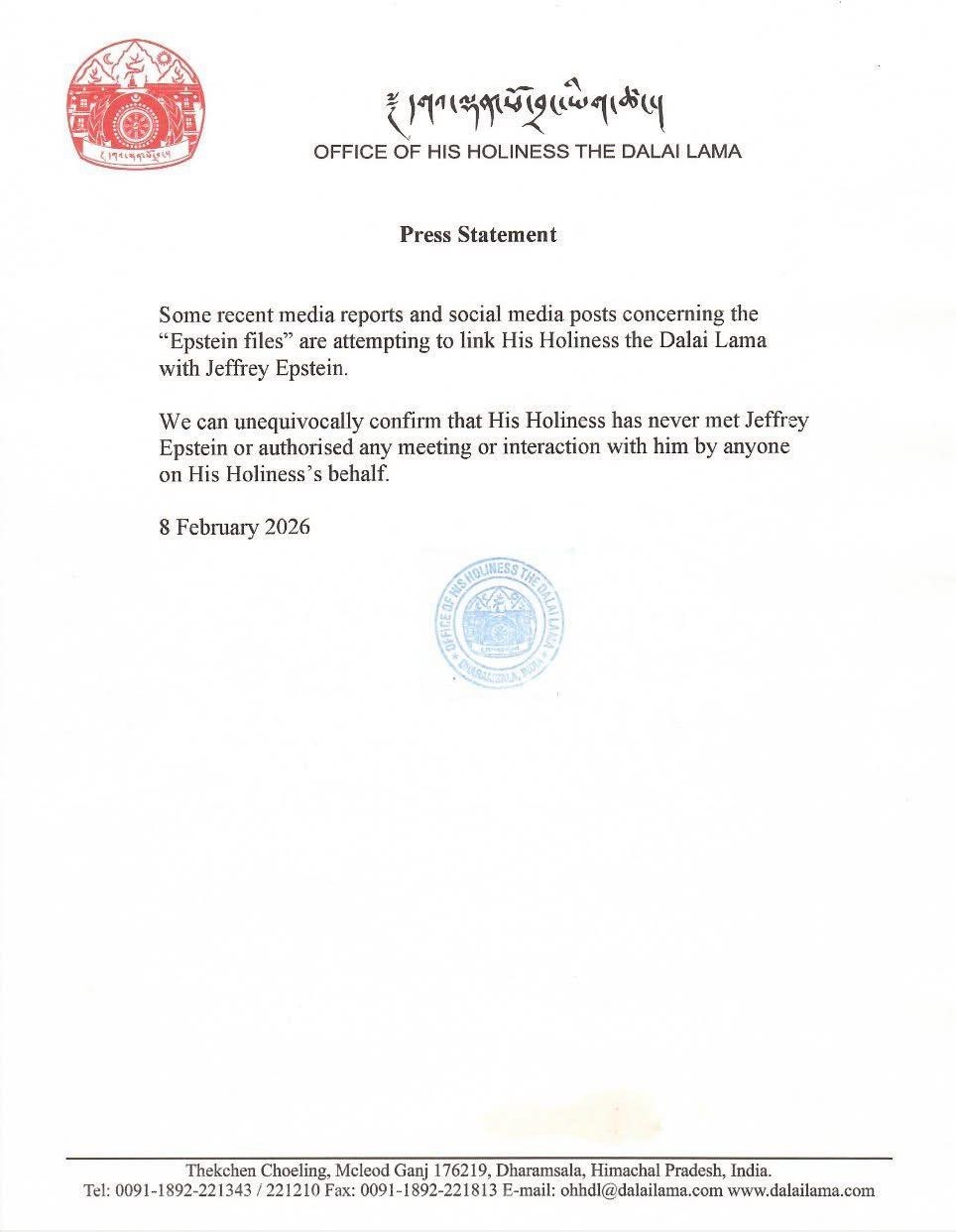
Despite this clarification, certain actors continued to circulate fabricated materials falsely presented as official correspondence from the Private Office. The use of counterfeit letterheads and coordinated amplification indicates a deliberate disinformation effort rather than incidental misinformation.
This campaign is designed solely to damage the reputation of His Holiness the Dalai Lama and the erosion of trust within the Tibetan community, reflecting broader patterns commonly observed in state-linked influence operations, including those associated with the Chinese Communist Party (CCP).
Guidance for the General Public
- Pause and verify before sharing content. Avoid becoming an unintentional participant in information warfare by spreading unverified or misleading material. Disinformation campaigns often rely on ordinary users to amplify false narratives.
- Use platform reporting tools. Actively report suspicious posts, fake accounts, and misleading content through social media reporting systems to help limit their reach and visibility.
- Notify community digital security teams. Forward disinformation campaigns or suspicious content to TibCERT at submit@tibcert.org : so experts can analyze and respond appropriately.
- Be aware of emotional manipulation. Content that triggers fear, anger, or shock is frequently designed to encourage rapid sharing without critical thinking, one of the most common tactics used in disinformation operations. If in doubt, do not share.